Benefits
Reliable Adhesion on Polar Substrates
Provides good adhesion performance on selected polar surfaces, including glass, ABS, PC and steel.
Thin Tape Construction
The 100 μm thickness is suitable for applications requiring a relatively thin adhesive construction.
Versatile Lamination
Can be evaluated for bonding foam, felt, fabric and other flexible materials.
Good Environmental Resistance
Offers good humidity and chemical resistance, together with very good UV ageing resistance under suitable conditions.
Efficient Converting
The non-woven construction and paper liner can support slitting, laminating and other converting processes.
Broad Application Flexibility
Suitable for selected nameplate mounting, film switch bonding and industrial assembly applications.
Technical Specifications
| Item | Specification |
|---|---|
| Product | Tesa 60975 |
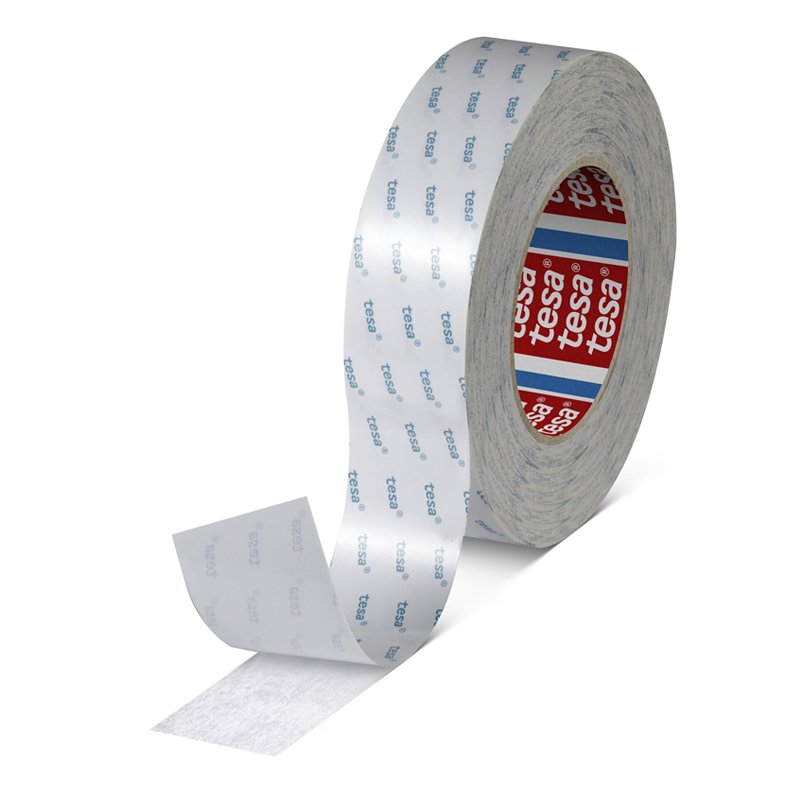
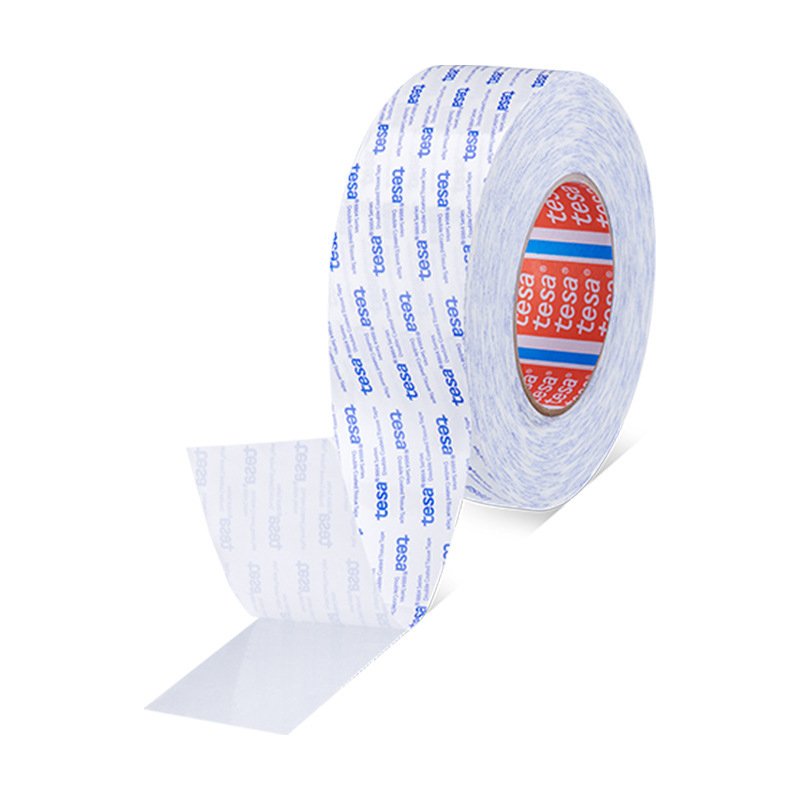
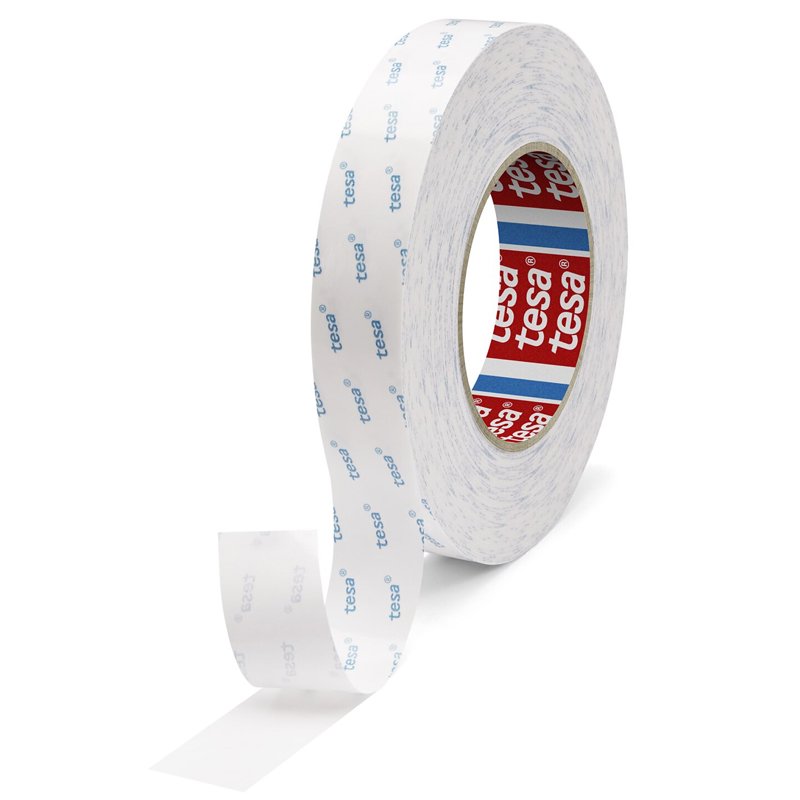
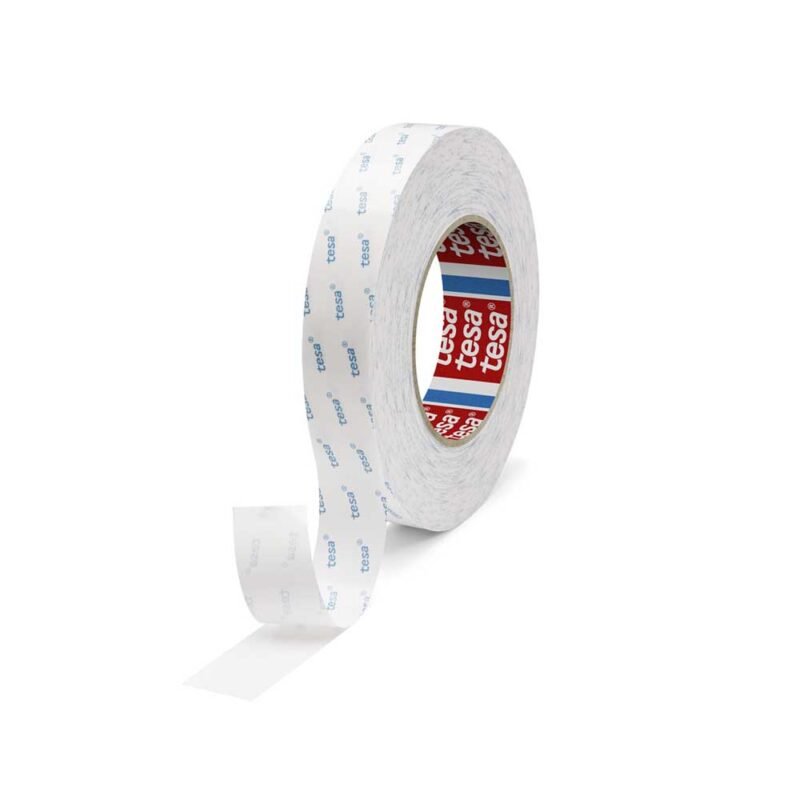
| Product Type | Double-sided non-woven tape |
| Adhesive Type | Modified / tackified acrylic |
| Backing Material | Non-woven |
| Tape Color | Translucent |
| Total Thickness | 100 μm |
| Liner Type | PE-coated paper |
| Liner Thickness | 120 μm |
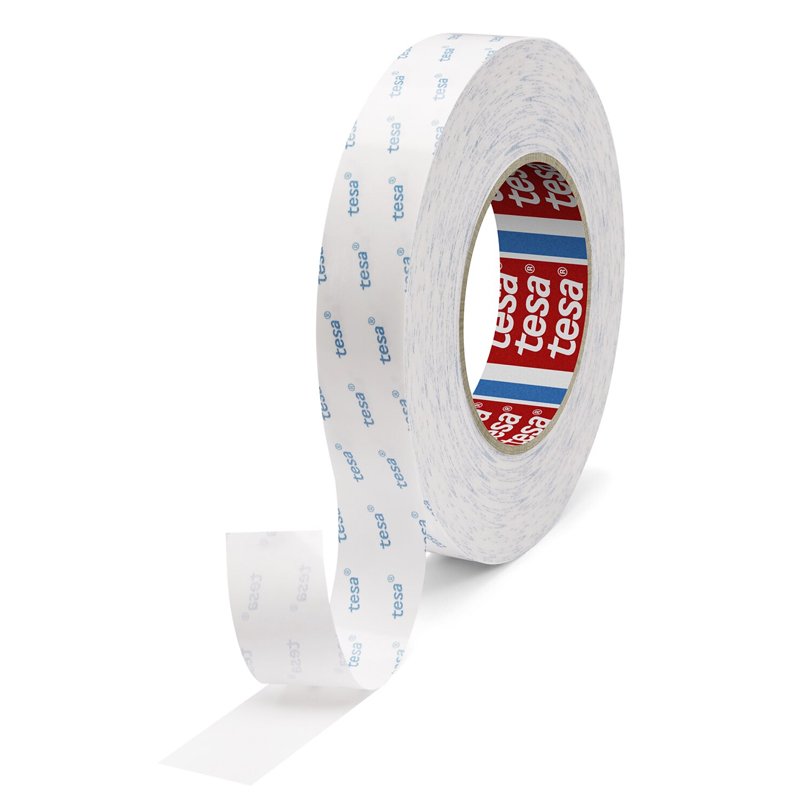
| Liner Variant | PV43 white PE-coated paper with blue tesa logo |
| Tack | Good |
| Static Shear Resistance at 23°C | Good |
| Humidity Resistance | Good |
| Chemical Resistance | Good |
| Softener Resistance | Medium |
| UV Ageing Resistance | Very good |
| Short-Term Temperature Resistance | 150°C |
| Long-Term Temperature Resistance | 80°C |
Typical Adhesion Values
| Substrate | Initial Adhesion | After 14 Days |
|---|---|---|
| ABS | 6.9 N/cm | 11.1 N/cm |
| Glass | 7.2 N/cm | 8.1 N/cm |
| PC | 7.8 N/cm | 11.3 N/cm |
| PE | 2.4 N/cm | 4.8 N/cm |
| Steel | 7.0 N/cm | 8.5 N/cm |
Technical note: The values are typical or average values and should not be used as guaranteed specifications. Actual results depend on the substrate, surface preparation, bonding pressure, dwell time and environmental conditions.
Applications
1. Foam and Felt Lamination
- Foam-to-substrate lamination
- Felt bonding
- Flexible material assembly
- Cushioning component bonding
2. Film Switch Bonding
- Selected membrane switch applications
- Thin component bonding
- Flexible film assembly
3. Fabric Bonding
- Fabric lamination
- Textile component assembly
- Flexible material fixation
4. Nameplate Mounting
- Industrial nameplates
- Identification labels
- Signs and lightweight components
- Equipment marking applications
5. Custom Converting
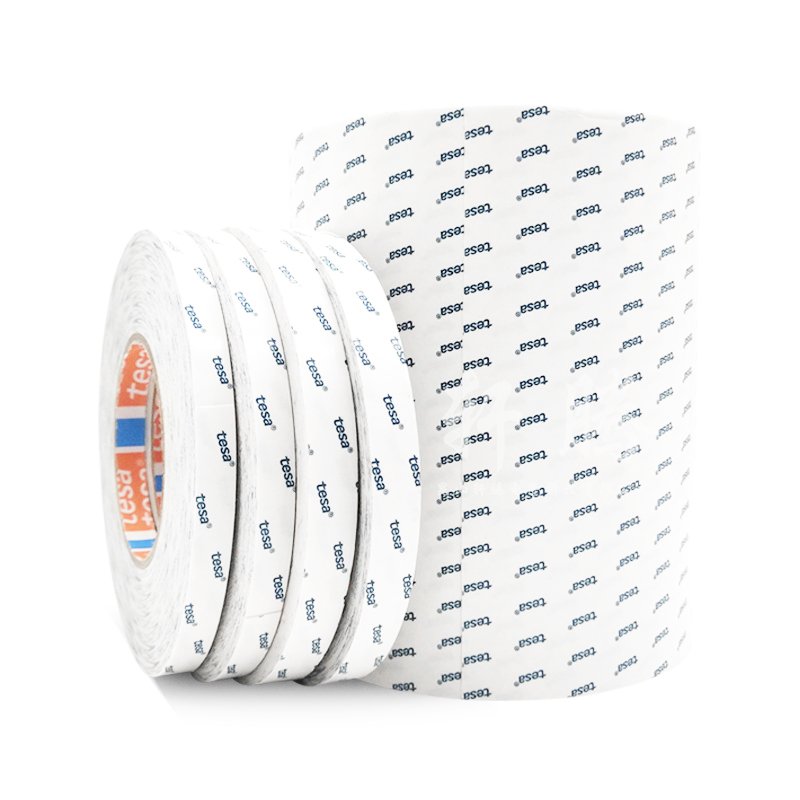
- Roll slitting
- Laminating
- Kiss cutting
- Precision die-cutting
- Customized adhesive components
Application suitability must be confirmed through testing.
Compatible Materials
Tesa 60975 may be evaluated for use with:
Plastics
- ABS
- Polycarbonate (PC)
- Polyethylene (PE)
- Selected plastic components
Metals
- Steel
- Selected metal surfaces
Other Materials
- Glass
- Foam
- Felt
- Fabric
- Film switch materials
- Nameplate substrates
Important: PE has relatively low surface energy. The published PE adhesion values should not be interpreted as a guarantee of reliable bonding for every PE application.
Industries
- Electronics and electrical equipment
- Membrane switch manufacturing
- Automotive components
- Foam and felt converting
- Textile and fabric assembly
- Industrial equipment
- Nameplate manufacturing
- General industrial assembly
Why Choose tesa 60975?
Tesa 60975 combines a thin non-woven backing, acrylic adhesive and good environmental resistance for various industrial bonding and lamination applications.
Yousan New Materials can review customized converting requirements, including:
- Precision roll slitting
- Adhesive tape laminating
- Kiss cutting
- Precision die-cutting
- Customized shapes and sizes
- Adhesive component manufacturing
Available services depend on material availability, technical requirements and project specifications.
Note: Yousan does not claim to be an authorized tesa distributor unless separately confirmed.
Installation Guide
1. Surface Preparation
- Ensure the bonding surfaces are clean, dry and free from dust, oil and release agents.
- Remove loose particles and contaminants.
- Evaluate whether surface treatment is necessary.
2. Tape Application
- Cut the tape to the required size.
- Apply the tape evenly to the first substrate.
- Avoid wrinkles, air pockets and contamination.
- Remove the liner carefully.
- Align and apply the second substrate.
3. Pressure Application
- Apply uniform pressure across the bonding area.
- Ensure sufficient adhesive contact.
- Avoid excessive tension during application.
4. Bonding Evaluation
- Allow suitable dwell time before applying significant loads.
- Evaluate peel adhesion and shear resistance.
- Conduct application-specific testing before mass production.
Storage
- Store the tape in its original packaging.
- Keep it in a clean and dry environment.
- Protect it from direct sunlight and contamination.
- Avoid excessive heat and humidity.
- Follow the latest applicable tesa storage recommendations.
Shelf life and detailed storage conditions should be confirmed using the relevant product documentation.
FAQ
1. What is tesa 60975?
Tesa 60975 is a 100 μm translucent double-sided non-woven tape with a modified/tackified acrylic adhesive.
2. What is the total thickness?
The total tape thickness is 100 μm, excluding the liner.
3. What type of liner is used?
The product uses a PE-coated paper liner with a typical thickness of 120 μm. The PV43 variant features a white liner with a blue tesa logo.
4. Is tesa 60975 suitable for foam bonding?
Yes. Foam lamination and foam bonding are listed application areas.
5. Can it be used for fabric bonding?
The Chinese tesa product information lists fabric bonding as an application. Suitability should be evaluated with the specific fabric and bonding conditions.
6. What is its temperature resistance?
- Short term: up to 150°C
- Long term: up to 80°C
These are typical values and do not guarantee performance in every application.
7. Can tesa 60975 bond PE?
Published adhesion data includes PE. However, PE bonding performance depends on the substrate formulation, surface condition and application requirements.
8. Can it be die-cut?
The tape can be reviewed for slitting, laminating and die-cutting applications. Feasibility depends on the design, tolerance, liner and processing method.
9. Is it suitable for electronic applications?
It may be evaluated for selected film switch and electronic component bonding applications. Testing is recommended for critical assemblies.
10. Does Yousan provide custom converting?
Yousan can review requirements for custom slitting, laminating and precision die-cutting, subject to technical evaluation and material availability.
Downloads
Available upon request:
- Tesa 60975 Technical Data Sheet (TDS)
- Safety Data Sheet (SDS)
- Product Brochure
- Precision Die-Cutting Capability Guide
Please contact our sales team if you require the latest technical documentation.