
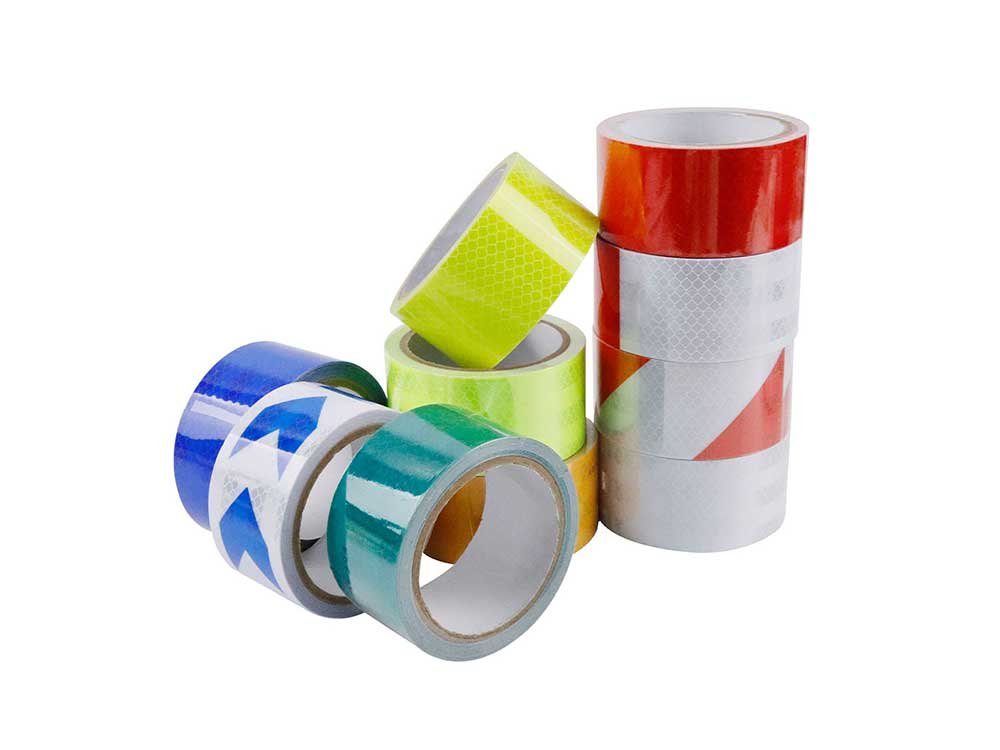
Industrial reflective tape is a critical safety material designed to improve visibility in low-light, nighttime, and hazardous environments. Widely used in factories, transportation, and construction, it helps reduce accidents and ensures compliance with safety standards.
What Is Industrial Reflective Tape?
Industrial reflective tape, also known as retroreflective tape, is engineered to reflect light back to its source. This makes objects highly visible when illuminated by headlights or other light sources. It works through two main technologies:
- Glass bead technology – standard reflectivity
- Microprismatic technology – high-intensity reflectivity
Microprismatic tapes provide stronger brightness and longer visibility distances compared to glass bead tapes.
Types of Industrial Reflective Tape
1. Engineering Grade Reflective Tape (Type I)
- Moderate reflectivity
- Cost-effective
- Suitable for general industrial and indoor applications
👉 Common uses: warehouse marking, safety signs
2. High-Intensity Reflective Tape (Type III)
- Higher brightness than standard grade
- Better outdoor performance
- Suitable for traffic and construction zones
3. Microprismatic Reflective Tape (Type IV–XI)
- Highest reflectivity
- Long-distance visibility
- Designed for demanding industrial and transportation use
👉 Used in vehicles, railways, and high-risk environments
4. DOT Reflective Tape (Vehicle Compliance)
- Meets transportation safety standards
- Typically red & white
- Used for trucks, trailers, and fleets
Key Features of Industrial Reflective Tape
- High visibility in low-light and nighttime conditions
- Strong adhesive for metal, plastic, and concrete surfaces
- Weather resistance (UV, rain, temperature changes)
- Abrasion and chemical resistance for harsh environments
- Long service life (up to 5–10 years depending on grade)
Industrial Applications
🚧 1. Warehouse & Factory Safety
- Floor marking and walkways
- Hazard zone identification
- Equipment edge marking
Reflective tape improves navigation and reduces workplace accidents.
🚛 2. Transportation & Fleet Marking
- Trucks and trailers
- Forklifts and industrial vehicles
- Emergency vehicles
Helps increase visibility and meet safety regulations
🏗 3. Construction & Road Safety
- Traffic barriers
- Warning signs
- Work zones
⚙️ 4. Machinery & Equipment
- Moving parts warning
- Storage areas
- Industrial identification
👷 5. Personal Safety Equipment
- Helmets
- Safety clothing
- Tools and gear
How to Choose the Right Industrial Reflective Tape
Choosing the correct reflective tape depends on several factors:
✔ Visibility Requirement
- Low → Engineering grade
- Medium → High-intensity
- High → Microprismatic
✔ Application Environment
- Indoor → standard tape
- Outdoor → UV & weather-resistant tape
✔ Surface Type
- Smooth (metal, glass)
- Rough (concrete, wood)
✔ Compliance Requirements
- DOT (vehicles)
- ASTM standards for traffic and safety
✔ Durability Needs
- Short-term → budget option
- Long-term → industrial-grade tape
Advantages of Industrial Reflective Tape
- Enhances safety and reduces accidents
- Easy to install with peel-and-stick adhesive
- Cost-effective alternative to paint or lighting
- Suitable for multiple surfaces and environments
- Customizable colors and patterns
Conclusion
Industrial reflective tape is an essential safety solution across industries. Whether used in warehouses, vehicles, or construction sites, it ensures high visibility, regulatory compliance, and long-term durability.
By selecting the right type—engineering grade, high-intensity, or microprismatic—you can significantly improve safety performance while reducing operational risks.
Need help developing your Industrial reflective tape solutions? Contact Yousan today to start your custom project.
If you would like to learn more about Yousan adhesive tapes, please visit our website at www.ysdiecut.com