
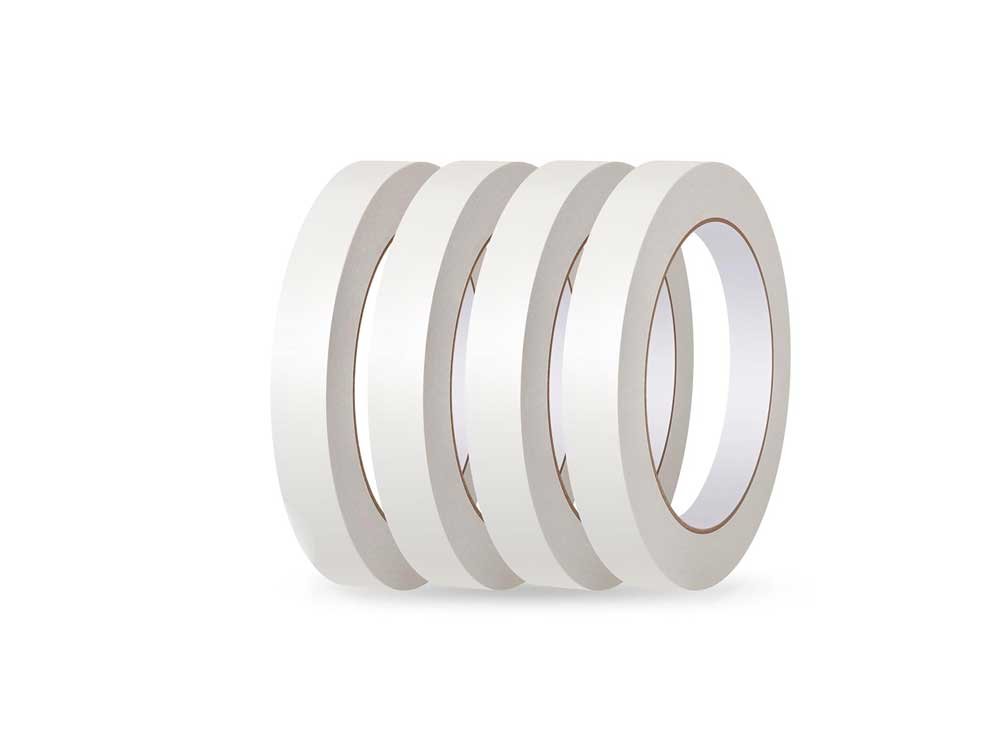
Ultra-thin double-sided tape is widely used in electronics, automotive, medical devices, and precision manufacturing. Its thin profile and strong adhesion make it ideal for compact designs—but it also means higher sensitivity to quality issues.
Many buyers face hidden problems such as short rolls, inconsistent thickness, and unstable adhesion, which can lead to production defects and increased costs.
This guide will help you identify common problems and choose the right ultra-thin tape for your application.
What Is Ultra-Thin Double-Sided Tape?
Ultra-thin double-sided tape typically refers to adhesive tapes with a thickness of:
- ≤0.2 mm (200μm)
- High-end applications: 0.01–0.05 mm
These tapes are designed for:
- Precision bonding
- Lightweight assembly
- Minimal space usage
They are commonly made with:
- PET film carriers
- Tissue carriers
- Transfer adhesive (no carrier)
Common Problems When Buying Ultra-Thin Double-Sided Tape
1. Short Rolls (Length Shortage)
One of the most overlooked issues is actual length being shorter than specified. Example:
- Labeled: 100 meters
- Actual: 85–95 meters
👉 Impact:
- Increased cost per unit
- Disrupted production planning
Common Tricks:
- Larger cores to make rolls appear bigger
- Reduced winding length
2. Thickness Inconsistency
Ultra-thin tapes require very tight thickness tolerances. Problem:
- Uneven thickness across the roll
Impact:
- Poor bonding performance
- Assembly misalignment
- Product defects
👉 Even a small deviation can affect precision applications like electronics.
3. Weak or Unstable Adhesion
Low-quality tapes may show:
- Weak initial tack
- Adhesion loss over time
Result:
- Component detachment
- Product failure
👉 Especially critical in:
- High-temperature environments
- Long-term bonding applications
4. Poor Die-Cutting Performance
Ultra-thin tapes are often used in die-cut components. Issues include:
- Edge lifting
- Tearing
- Adhesive residue
👉 This reduces production efficiency and increases scrap rates.
5. Low-Quality Materials
Some manufacturers reduce cost by using:
- Recycled materials
- Low-grade adhesives
Risks:
- Reduced durability
- Poor dimensional stability
- Surface contamination
Types of Ultra-Thin Double-Sided Tape
1. PET Double-Sided Tape
- High dimensional stability
- Suitable for electronics and industrial use
2. Tissue Double-Sided Tape
- Soft and flexible
- Good surface conformability
3. Transfer Tape (Adhesive Only)
- Ultra-thin structure
- Excellent for smooth surfaces
How to Choose the Right Ultra-Thin Tape
✔ 1. Check Thickness and Tolerance
- Confirm total thickness (including adhesive)
- Ask for tolerance range
✔ 2. Verify Actual Length
- Request real usable length
- Avoid suppliers with “short roll” practices
✔ 3. Select the Right Adhesive Type
- Acrylic → General-purpose, durable
- Silicone → High temperature
- Rubber → High initial tack
✔ 4. Evaluate Application Requirements
Consider:
- Substrate type (metal, plastic, glass)
- Temperature conditions
- Bonding strength needed
✔ 5. Test Samples Before Bulk Purchase
- Always request samples
- Conduct real application testing
Why Cheap Ultra-Thin Tape Can Be Costly
Low-priced tapes often come with hidden compromises:
- Shorter length
- Inconsistent thickness
- Poor adhesive performance
👉 Result:
- Higher defect rate
- Increased material usage
- Higher overall cost
Reliable quality is more important than low price
Conclusion
Ultra-thin double-sided tape is essential for precision bonding, but it requires strict quality control and careful selection.
To avoid costly mistakes:
- Watch out for short rolls
- Verify thickness consistency
- Choose reliable suppliers
- Test before bulk orders
By following these steps, you can ensure stable performance, efficient production, and long-term cost savings.
Need help developing your Ultra-thin double-sided tape solutions? Contact Yousan today to start your custom project.
If you would like to learn more about Yousan adhesive tapes, please visit our website at www.ysdiecut.com