Benefits
-
Helps provide EMI and RFI shielding in electronic assemblies.
-
Supports electrical continuity across suitable bonded joints.
-
Helps shield sensitive components and enclosures from electromagnetic interference.
-
Conforms to irregular surfaces for improved contact.
-
Supports printed circuit board manufacturing and repair operations.
-
Can contribute to thermal management through its aluminum backing and conductive bond.
-
Simplifies installation through its flexible, hand-tearable construction.
Technical Specifications
| Property | Typical Specification |
|---|---|
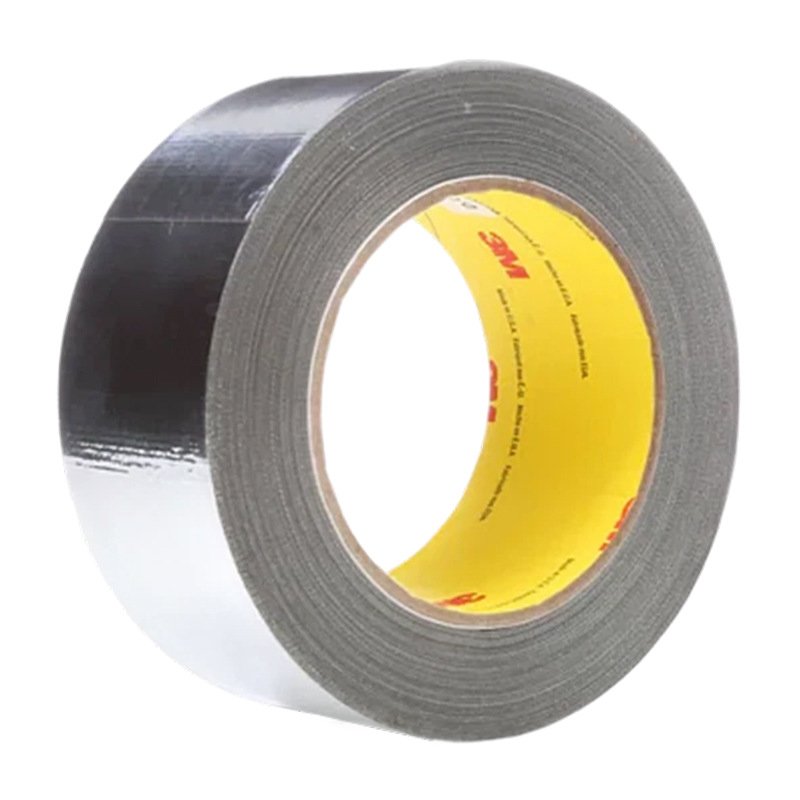
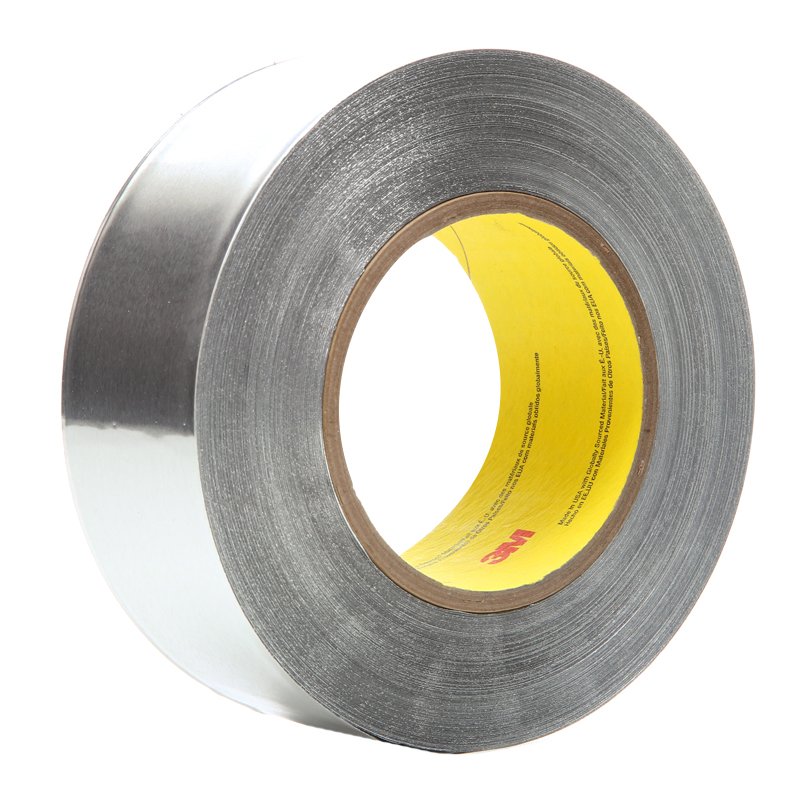
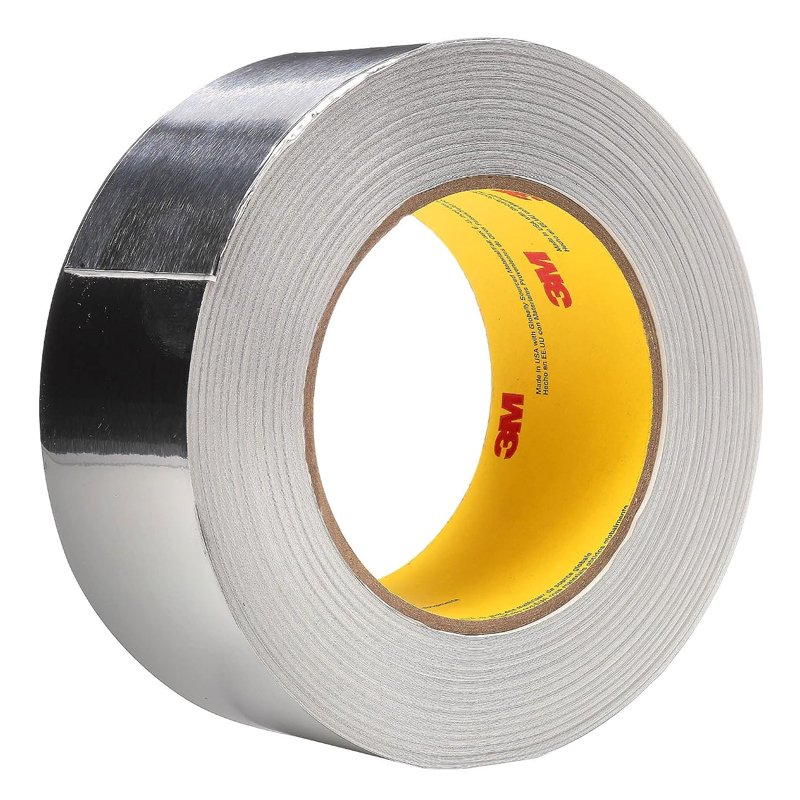
| Product name | 3M™ Electrically Conductive Aluminum Tape 3302 |
| Product number | 3302 |
| Backing material | Dead-soft aluminum foil |
| Adhesive type | Electrically conductive acrylic pressure-sensitive adhesive |
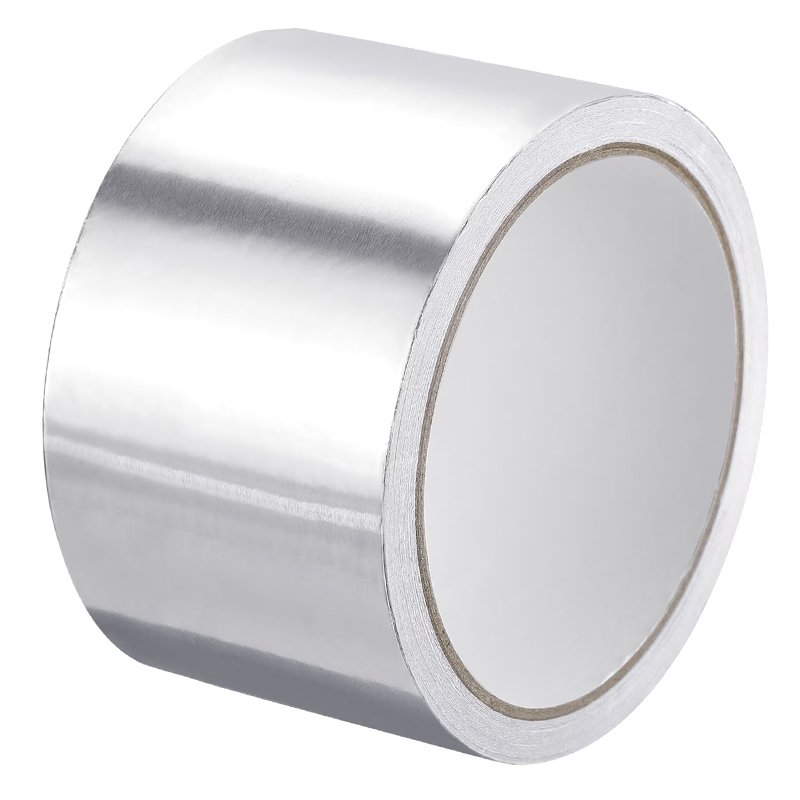
| Color | Silver |
| Backing thickness | 0.05 mm (2 mil) |
| Total tape thickness, excluding liner | 0.09 mm (3.5 mil) |
| Release liner thickness | 0.11 mm (4.4 mil) |
| 180° peel adhesion | 2.4 N/cm at 23°C |
| Tensile strength | 33.3 N/cm |
| Elongation at break | 3% |
| Long-term temperature resistance | -40°C to 121°C, according to the TDS |
| UL recognition | UL 510 Recognized, File E230409 |
| Standard roll length | Approximately 32.9 m (36 yd), depending on configuration |
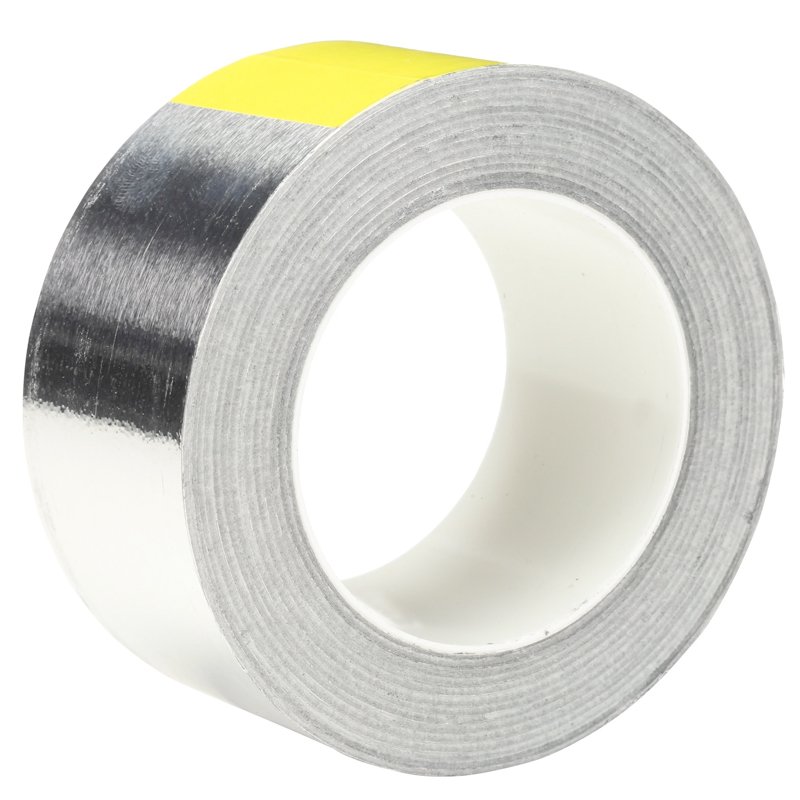
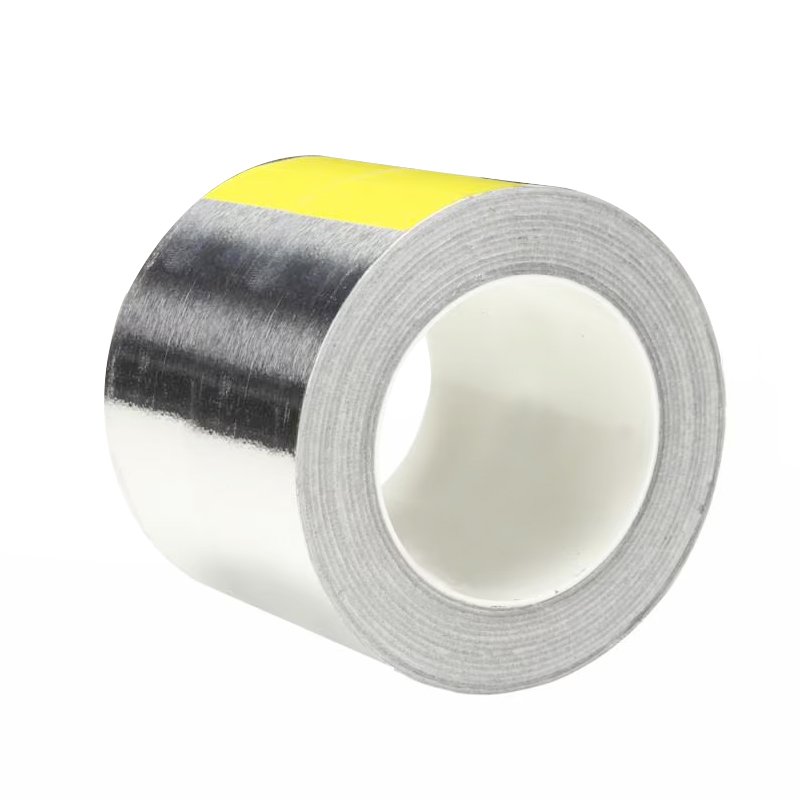
| Common widths | 50.8 mm (2 in), 101.6 mm (4 in), and wider custom or industrial formats depending on availability |
Note: These are typical published values, not guaranteed specifications. 3M’s product page and technical data sheet may present different temperature ranges for different use conditions. The product page describes continuous performance from -18°C to 107°C, while the TDS lists long-term temperature resistance from -40°C to 121°C. Confirm the latest documentation and intended application before specifying the operating range.
Applications
-
EMI shielding for electronic assemblies
-
RFI shielding applications
-
Printed circuit board manufacturing and repair
-
Conductive bonding and electrical continuity
-
Shielding of electronic enclosures and components
-
Electrical and electronic equipment assembly
-
Shielding applications involving uneven or textured surfaces
-
Selected thermal management applications where conductive bonding is suitable
Compatible Materials
Subject to surface preparation and application testing, 3M 3302 may bond to:
-
Aluminum and other suitable metal surfaces
-
Printed circuit board materials
-
Electronic enclosure surfaces
-
Selected plastics
-
Textured and low-surface-energy materials
-
Other compatible substrates requiring conductive shielding
Electrical conductivity and adhesion depend on the substrate, surface finish, contact pressure, contamination, and application design. Verify electrical resistance and shielding effectiveness in the actual assembly.
Industries
-
Electronics manufacturing
-
Electrical equipment
-
Printed circuit board manufacturing and repair
-
Telecommunications
-
Automotive electronics
-
Aerospace electronics
-
Industrial equipment
-
General industrial manufacturing
Why Choose 3M 3302 Conductive Aluminum Foil Tape?
3M 3302 combines a flexible aluminum foil backing with a conductive acrylic adhesive, making it suitable for shielding applications that require both foil coverage and electrical conductivity through the adhesive layer.
Its conformability, adhesion to challenging surfaces, and UL 510 recognition make it an option for electronic and industrial assemblies. For critical EMI/RFI applications, evaluate the tape within the complete assembly to confirm electrical resistance, shielding effectiveness, environmental durability, and compatibility with the target substrates.
Installation Guide
-
Confirm application requirements: Determine the required shielding performance, electrical continuity, and operating conditions.
-
Prepare the surface: Remove dust, oil, moisture, oxidation, and other contaminants using a method compatible with the substrate.
-
Measure and cut: Select the appropriate tape width and length for the shielding area or joint.
-
Position the tape: Align the tape carefully and avoid excessive stretching or wrinkling.
-
Apply firm pressure: Press evenly across the tape to establish good adhesive contact with the substrate.
-
Check electrical continuity: Where required, measure resistance across the bonded interface using an appropriate test method.
-
Validate shielding performance: For critical applications, test the finished assembly against the project’s EMI/RFI requirements.
Storage
-
Store in the original packaging in a clean, dry environment.
-
Protect the tape from direct sunlight, excessive heat, moisture, and contamination.
-
Avoid damaging the roll edges or release liner.
-
Follow the storage conditions and shelf-life guidance in the latest 3M technical documentation.
-
Inspect the tape before use, especially for applications requiring reliable electrical contact.
FAQ
1. What is 3M 3302 aluminum foil tape used for?
3M 3302 is primarily designed for electrically conductive bonding and EMI/RFI shielding, including applications in electronics and printed circuit manufacturing and repair.
2. Is 3M 3302 electrically conductive?
Yes. It uses a conductive acrylic pressure-sensitive adhesive designed to support electrical continuity across suitable bonded surfaces.
3. What is the difference between 3M 3302 and standard aluminum foil tape?
Standard aluminum foil tapes may use nonconductive adhesives. 3M 3302 uses a conductive acrylic adhesive, making it more appropriate for applications requiring electrical continuity and electromagnetic shielding.
4. Is 3M 3302 suitable for EMI and RFI shielding?
Yes. 3M identifies EMI/RFI shielding as a primary application. Actual shielding effectiveness depends on the assembly design, overlap, grounding, substrate, and installation quality.
5. What is the thickness of 3M 3302?
The backing is approximately 0.05 mm thick, and the total tape thickness excluding the liner is approximately 0.09 mm.
6. What is the operating temperature range of 3M 3302?
The technical data sheet lists long-term temperature resistance from -40°C to 121°C. The product page separately describes continuous performance from -18°C to 107°C. Use the range applicable to your specific conditions and verify it with the latest 3M documentation.
7. Can 3M 3302 adhere to textured surfaces?
3M describes the conductive acrylic adhesive as having good wetting characteristics and bonding performance on many textured and low-surface-energy materials. Testing on the actual substrate is recommended.
8. Is 3M 3302 UL recognized?
Yes. 3M product documentation identifies 3302 as UL 510 Recognized, File E230409. Confirm the applicable recognition details for your intended use.
9. Is 3M 3302 suitable for all electrical grounding applications?
Not automatically. Its conductive adhesive may support electrical continuity, but grounding suitability depends on current, resistance, environmental exposure, mechanical integrity, and applicable electrical standards. Validate the complete application before use.
Downloads
Available upon request:
- 3M 3302 Aluminum Foil Tape Technical Data Sheet (TDS)
- Safety Data Sheet (SDS)
- Product Brochure
- Die-Cutting Capability Guide
Please contact our sales team if you require the latest technical documentation.